
The Role of Luck in Gambling
Luck is often viewed as the foundational principle of gambling. Many believe that the outcome of games such as slots or roulette hinges primarily on chance. This perception stems from the unpredictable nature of these games, where a single bet can lead to an unexpected windfall or a swift loss. The thrill of unpredictability can evoke a rollercoaster of emotions, from the high of a big win to the disappointment of an unlucky round. Players often find themselves caught in the excitement of the moment, exploring various options like betting apps canada hoping for that lucky break that could change everything.
In casino games, luck is quantified by odds and probabilities. Each game comes with a house edge, which implies a statistical advantage for the casino over the player. This mathematical framework means that while individual outcomes may be uncertain, the long-term results will generally favor the house. A player at a blackjack table may win several hands in a row due to luck, but statistically, the odds will balance out over time. This interplay highlights the transient nature of luck in gambling, where fortunes can shift rapidly and unpredictably.
Moreover, luck is a double-edged sword. While it can bring excitement and potential for profits, it can also lead to reckless behavior. Players may chase losses or become overly confident after a streak of wins, often risking more than they can afford. The exhilaration derived from luck can create a dangerous cycle, drawing players back even when they understand the inherent risks. This volatile relationship underscores the necessity for gamblers to approach their games with caution and awareness, balancing the thrill of luck with the reality of responsible gaming.
The Importance of Skill in Gambling
Although luck plays a significant role, skill is undeniably crucial in many gambling scenarios. Games like poker and blackjack require not only knowledge of the game but also the ability to read opponents and make strategic decisions. Skilled players analyze their circumstances and employ strategies that capitalize on their advantages. For example, in poker, understanding the odds, interpreting betting patterns, and bluffing effectively can significantly enhance a player’s chances of success, demonstrating that skill can often outshine luck in pivotal moments.
Skill in gambling also comes from experience. Players who spend time honing their abilities often possess a deeper understanding of the nuances of games. This mastery can lead to more calculated risks and better decision-making, contrasting with unskilled players who may rely solely on luck. Over time, skilled players can consistently outperform their luck-based counterparts, demonstrating how experience and knowledge can transcend luck in establishing a winning strategy. This aspect emphasizes the importance of education and practice in gambling, as it allows players to refine their skills and adapt to various situations.

In addition, the psychological aspect of skill plays a significant role. A skilled player is better equipped to manage their emotions, particularly during losing streaks. They can remain composed and focused, reducing the likelihood of making impulsive decisions caused by frustration or desperation. This emotional intelligence is a critical component that distinguishes skillful gamblers from those who rely primarily on luck. By maintaining a level head, skilled players can navigate the highs and lows of gambling with greater resilience, ultimately leading to more sustainable success.
The Balance Between Luck and Skill
The fascinating aspect of gambling lies in the delicate balance between luck and skill. While games like slots may be purely luck-based, others like poker incorporate a significant skill element. Understanding how these elements interact is essential for any serious gambler. In many cases, skilled players can manipulate the odds in their favor, demonstrating that luck and strategy are not mutually exclusive but rather complementary forces. This synergy creates a dynamic environment where both elements can be leveraged for a more rewarding gambling experience.
Consider a game of blackjack, where players must decide when to hit or stand based on their cards and the dealer’s upcard. While luck determines the initial deal, a player’s decisions based on their skill can lead to better outcomes. This interplay highlights the necessity for gamblers to cultivate their skills while recognizing that luck can still play a pivotal role in any given hand. A player’s ability to make informed choices can significantly mitigate the effects of bad luck, showcasing the importance of skill in achieving long-term success.
Ultimately, embracing both elements can enhance the gambling experience. Players who understand that luck can be fleeting can develop a more strategic approach to gambling, reducing the emphasis on luck alone. By honing their skills and embracing the unpredictable nature of luck, gamblers find a balance that can lead to more sustainable enjoyment and potentially greater success in their gaming endeavors. This balanced perspective encourages players to appreciate the complexity of gambling while fostering a healthier relationship with the games they play.
The Risk of Overreliance on Luck
One of the most significant pitfalls in gambling is the overreliance on luck. Many players enter a casino with the belief that they will hit it big, often forgetting the odds stacked against them. This mindset can lead to reckless betting behavior, where the excitement of potential wins overshadows the reality of losses. Understanding the risks associated with such a mindset is crucial for responsible gambling. Players must remain vigilant about their gambling habits and recognize when their hopes of winning are being driven by unrealistic expectations.
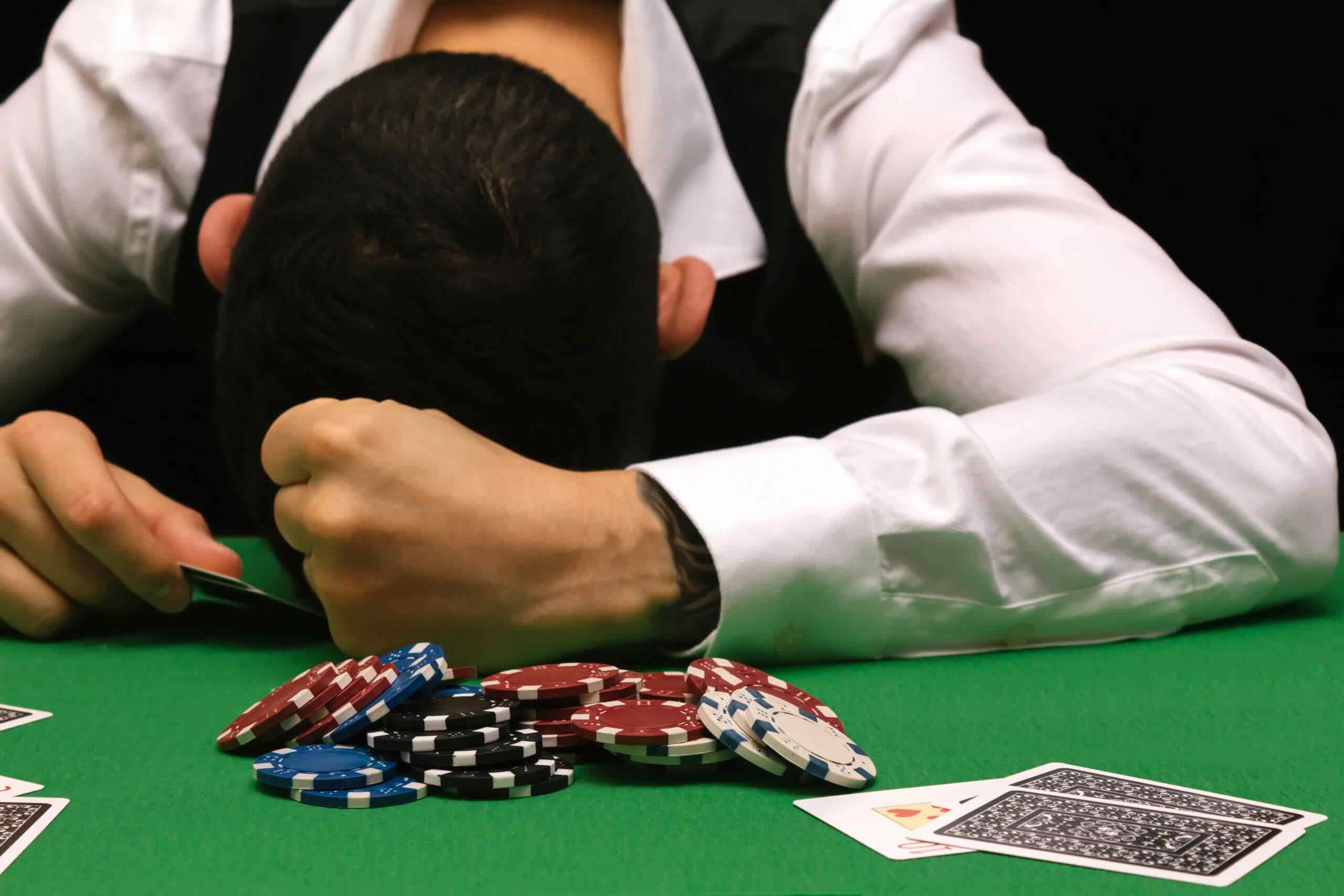
By overestimating their luck, players may chase losses or become trapped in a cycle of desperation that can have negative repercussions. It is essential for gamblers to recognize when they are relying too heavily on luck and to establish personal limits. Such self-awareness can prevent gambling from turning into an unhealthy obsession, allowing for a more enjoyable experience grounded in both fun and strategy. Responsible gambling involves acknowledging the role of luck while simultaneously respecting the skill required to make informed decisions.
Additionally, the influence of luck can lead to misconceptions about winning. Many players may attribute their wins solely to luck, dismissing the importance of skill. This can foster a lack of discipline in learning the game, as they may believe they do not need to improve their strategy. Acknowledging the role of skill helps players develop better habits, ultimately leading to a more enriching gambling experience. This understanding encourages players to invest time in refining their skills, which can enhance their overall performance and enjoyment.
Conclusion and Understanding Gambling Responsibly
The interplay of luck and skill in gambling creates a dynamic environment that attracts millions worldwide. Understanding this relationship allows players to navigate the complexities of their gaming choices more effectively. By recognizing when luck is on their side and leveraging their skills, they can maximize their enjoyment and success in the gambling world. This nuanced understanding fosters a healthier approach to gambling, encouraging players to engage with the games they love while remaining mindful of their limits.
It is crucial to approach gambling with a balanced mindset. Gamblers should embrace the fun and thrill of games while remaining aware of the risks involved. Responsible gambling practices, including setting limits and recognizing warning signs, are essential for a sustainable approach to gaming. By fostering an understanding of both luck and skill, players can enjoy gambling as an entertaining experience rather than a source of stress or financial strain. This balanced approach ultimately leads to a more fulfilling and enjoyable gaming experience.
In conclusion, whether you are a novice or an experienced player, the world of gambling holds endless opportunities for enjoyment and challenge. Striking the balance between luck and skill is key to enhancing your experience. Remember to play responsibly, and always be aware of the dynamics at play, allowing you to savor the excitement that gambling offers without losing sight of its inherent risks. Embracing this duality can transform your perspective on gambling, making it not just a game of chance, but a journey of skillful decision-making intertwined with the thrill of the unknown.


